The Artistic Versatility of Bears and Whales Seamless Patterns in Modern Design
In the evolving landscape of surface pattern design, the combination of terrestrial and marine wildlife motifs has carved out a distinctive niche. Among the most visually engaging and commercially viable offerings are Bears and Whales Seamless Patterns, particularly those rendered in watercolor hand-painted styles. These patterns occupy a unique intersection between rustic charm and oceanic serenity, making them highly adaptable across a spectrum of creative projects. The juxtaposition of the bear, a symbol of strength and wilderness, with the whale, representing depth and grace, creates a narrative tension that resonates with both children and adults. Designers, educators, and small business owners have increasingly turned to these patterns to infuse products with warmth and storytelling potential.
One of the most compelling aspects of these patterns is their inherent duality. A bear motif often evokes coziness, forest adventures, and a sense of protective comfort, while whale imagery suggests exploration, calm, and the vastness of the natural world. When these two elements coexist within a single seamless pattern, they create a visual conversation that is both grounding and imaginative. The watercolor technique further softens the imagery, lending a handcrafted feel that digital-only designs sometimes lack. This tactile quality is especially important in an era where consumers are drawn to authenticity and artisanal aesthetics.
Understanding the Appeal of Watercolor Wildlife Patterns
The watercolor medium has experienced a renaissance in the world of digital design, and for good reason. Unlike vector-based flat illustrations, watercolor patterns introduce organic textures, subtle color gradients, and unpredictable edge softness. When applied to Bears and Whales Seamless Patterns, this technique amplifies the emotional resonance of the subjects. A bear cub rendered in soft brown washes with bleeding edges feels more approachable and tender than a hard-edged vector version. Similarly, a whale emerging from a wash of blue and teal conveys the fluid mystery of the ocean in a way that rigid geometric shapes cannot.
This aesthetic is particularly well-suited for products aimed at children, nature enthusiasts, or anyone seeking a calming visual environment. The hand-painted quality reduces visual harshness, making these patterns ideal for nursery decor, children's bedding, and educational materials. Moreover, the watercolor style supports a wide range of color palettes, from muted earth tones to vibrant oceanic hues, allowing creators to tailor the mood of the pattern to their specific project requirements.
Technical Specifications and Design Considerations
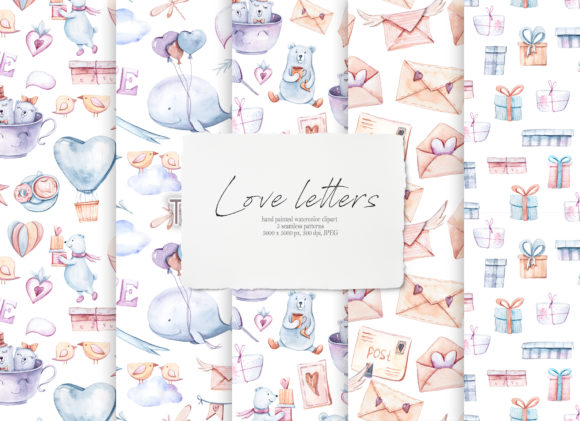
When evaluating Bears and Whales Seamless Patterns for professional use, understanding the technical foundation is crucial. The typical offering includes five distinct seamless patterns, each sized at 5000 x 5000 pixels with a resolution of 300 DPI. These specifications are not arbitrary; they represent a professional standard that ensures high-quality output across multiple mediums. At 300 DPI, a 5000 px square pattern prints crisply at approximately 16.7 inches by 16.7 inches, which is sufficient for fabric panels, wrapping paper sheets, and even small textile runs.
The JPEG format is widely compatible with design software, print-on-demand platforms, and home crafting applications. However, it is worth noting that JPEG is a lossy format. For projects requiring absolute sharpness or transparency, designers may prefer PNG or TIFF versions, though the image quality at high resolution JPEG settings is generally more than adequate for fabric printing and paper crafts. The 300 DPI specification is particularly important for textile applications, where lower resolutions can result in pixelation after repeated washing or stretching.
Another important consideration is the repeat structure of the pattern. A seamless pattern is defined by its ability to tile without visible seams or interruptions. The best watercolor designs account for this by carefully positioning elements near the edges so that they flow naturally across repeats. When examining Bears and Whales Seamless Patterns, look for variety in scale and placement; a pattern with multiple sized motifs and ample negative space will be easier to use in diverse applications than one with uniform, densely packed elements.
Practical Applications Across Creative Industries
The versatility of these patterns is best understood through the lens of specific use cases. Rather than being confined to a single category, they serve as a resource for multiple creative workflows.
Fabric and Textile Design
Fabric design is one of the most natural applications for Bears and Whales Seamless Patterns. The 5000 x 5000 px and 300 DPI specifications align perfectly with the requirements of most textile printers, whether for small-batch custom fabric or larger production runs. Cotton, linen, and canvas are excellent choices for these patterns, as the watercolor aesthetic translates well to natural fibers. Quilters, for instance, have found these patterns useful for panels or backing fabrics. Garment makers can use them for children's clothing, pajamas, or even accessories like scarves and tote bags. The high resolution ensures that the pattern remains sharp after cutting, sewing, and laundering.
Textile totes, in particular, have become a popular canvas for these designs. A canvas tote featuring a hand-painted bear and whale pattern carries an artisanal appeal that mass-produced prints often lack. Small business owners selling eco-friendly bags or children's accessories have reported that watercolor wildlife patterns generate stronger emotional responses from customers compared to purely geometric or abstract designs. The storytelling element of bears and whales together invites questions, conversation, and ultimately, purchase decisions.
Paper Crafts and Stationery
The scrapbook and paper crafting community has embraced Bears and Whales Seamless Patterns with enthusiasm. Scrapbook paper benefits enormously from patterns that are both visually interesting and emotionally evocative. A page documenting a child's visit to the aquarium or a family camping trip can be anchored by a pattern that features both terrestrial and marine elements. The 5000 x 5000 px size allows crafters to print individual sheets at full size or scale them down for smaller elements like tags, journaling cards, and borders.
Wrapping paper is another high-yield application. Watercolor wildlife patterns stand out on gift wrap, especially during occasions like birthdays, baby showers, or nature-themed celebrations. The non-seasonal nature of bears and whales means that the pattern remains relevant year-round, reducing inventory risk for small stationery shops. Educators have also repurposed these patterns for classroom materials, including bulletin board borders, name tags, and activity sheets, where the calming aesthetic helps create a focused learning environment.
Home Decor and Lifestyle Products
Beyond fabric and paper, these patterns have found their way into a range of home decor items. Bed linen for children's rooms is a leading category; a duvet cover or pillowcase featuring watercolor bears and whales can anchor an entire room theme without appearing overly themed or juvenile. The hand-painted quality matures the design, making it suitable for older children who have outgrown cartoonish prints. Similarly, curtains, throw pillows, and wall art benefit from the large repeat size and high resolution.
Mugs and tableware represent a smaller but equally viable category. Ceramic printers require sharp, high-resolution graphics to avoid blurring during the curing process. The 300 DPI specification of these patterns meets that need. A mug with a bear on one side and a whale on the other, linked by a seamless watercolor background, creates a collectible feel. Small business owners on e-commerce platforms have reported that such items generate repeat purchases, as customers often buy multiple pieces for gifting.
Workflow Integration for Designers and Crafters
For professionals integrating these patterns into their workflow, a few practical considerations can improve efficiency. When working with Bears and Whales Seamless Patterns in software such as Adobe Photoshop, Illustrator, or Procreate, the JPEG format loads quickly and previews accurately. Designers should create a test tile before committing to large-scale printing, especially when using print-on-demand services that apply the pattern across various product shapes. The pattern repeat should be checked on cylindrical objects like mugs and on curved surfaces like tote bag panels, as the repeat may behave differently than on flat fabric or paper.
One effective strategy is to extract individual elements from the pattern for standalone use. A single bear motif or whale illustration can be isolated, resized, and used as a focal point on a product, with the full seamless pattern serving as a background or lining. This approach maximizes the value of the pattern set and allows for product line expansion without additional design costs. The hand-painted watercolor quality ensures that even isolated elements retain their artistic integrity, unlike vector motifs that can appear sterile when removed from their original context.
Selecting the Right Pattern for Your Project
Not all Bears and Whales Seamless Patterns are created equal, and choosing the right one depends on the intended application. For fabric and textile projects, patterns with moderate scale and balanced negative space are preferable. Dense patterns may overwhelm a garment or accessory, while very sparse patterns can appear unfinished when repeated across a large surface. A good rule of thumb is to examine the pattern at actual print size and visualize how it will look on a finished product. Patterns with a mix of large and small motifs often work best, as they provide visual interest without monotony.
Color palette is another critical factor. Watercolor patterns often contain subtle tonal variations that may not be immediately apparent in a digital preview. When printing on fabric, especially natural fibers, the colors may shift slightly due to absorption and fiber content. Ordering a swatch test before full production is always advisable. For paper products, the color rendering is usually more predictable, but the texture of the paper itself can interact with the watercolor aesthetic. A matte, textured paper enhances the hand-painted look, while a glossy finish may flatten the watercolor effects.
Long-Term Value and Reusability
One of the most practical advantages of investing in high-quality Bears and Whales Seamless Patterns is their reusability across multiple projects and seasons. Unlike trendy patterns that fade after a single season, the combination of bears and whales is rooted in enduring natural themes. A pattern purchased today can be used for children's bedding, then repurposed for wrapping paper, and later adapted for classroom decor or in-store signage. This versatility reduces the per-project cost and makes the initial investment highly efficient for small business owners and hobbyists alike.
Furthermore, the five-pattern collection offers variety within a consistent aesthetic theme. Using multiple patterns from the same set across a product line creates visual cohesion without monotony. For example, a tote bag might feature one pattern on the exterior and a complementary pattern on the interior lining, while a matching mug uses a third variation. This approach builds a recognizable brand identity and encourages customers to collect multiple items. The 5000 x 5000 px resolution ensures that even after scaling, cropping, or rotating, the patterns retain their sharpness and artistic integrity.
From an archival standpoint, the JPEG format allows for easy storage and transfer across devices and platforms. Designers can maintain a library of these patterns and access them years later without format degradation. The 300 DPI standard also future-proofs the patterns against advances in printing technology, ensuring that they remain usable as higher-resolution printers become more accessible. In an industry where digital assets can quickly become obsolete, the technical robustness of these patterns offers a measure of security for long-term creative planning.
Ultimately, the enduring appeal of Bears and Whales Seamless Patterns lies in their ability to bridge the gap between artistic expression and practical application. Whether used to create a cozy nursery, a line of handcrafted gifts, or educational materials that inspire curiosity about the natural world, these patterns provide a foundation for meaningful creative work. The combination of watercolor softness, professional-grade resolution, and versatile subject matter makes them a resource that continues to deliver value across diverse projects and audiences. For anyone working in surface pattern design, textile production, or paper crafting, exploring the possibilities within this motif is a worthwhile investment in both quality and creative potential.