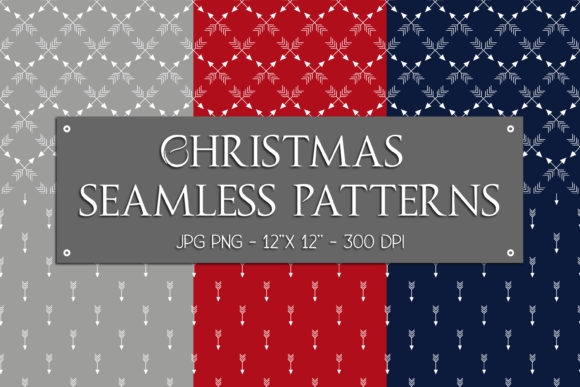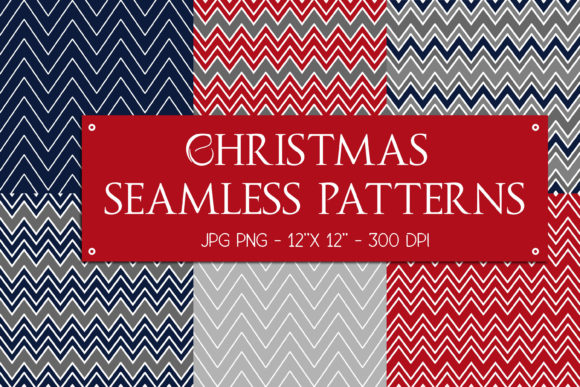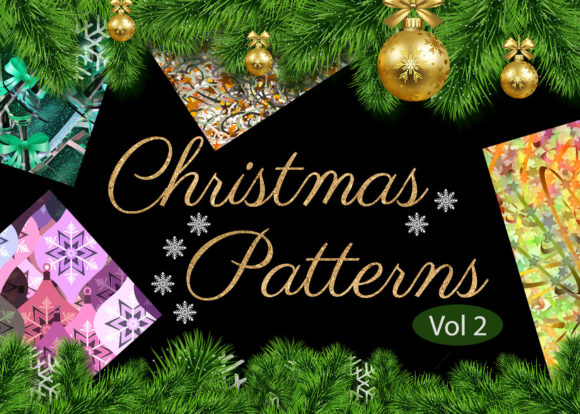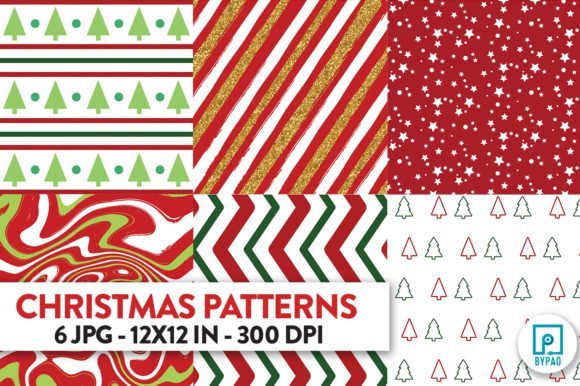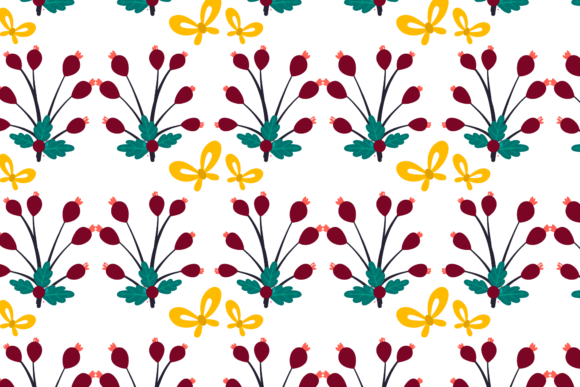
Christmas Flower Patterns: Elevating Holiday Design with Versatile Digital Assets
As the holiday season approaches, designers, marketers, and content creators face a familiar challenge: producing fresh, visually compelling materials that capture the spirit of Christmas without feeling repetitive. Among the most understated yet powerful tools in the seasonal design toolkit are Christmas flower patterns. These botanical motifs, ranging from classic poinsettias and holly berries to stylized winter roses and evergreen blooms, bring warmth, elegance, and a touch of nature to digital and print projects alike. A well-crafted set of Christmas flower pattern assets, delivered across multiple file formats, can transform a routine holiday campaign into something memorable.
Christmas flower patterns are not merely decorative elements. They represent a fusion of traditional botanical imagery with contemporary design sensibilities, allowing creators to evoke nostalgia while maintaining a modern aesthetic. Whether used as background textures, focal illustrations, or repeating motifs, these patterns help bridge the gap between classic holiday iconography and the clean, versatile requirements of today's digital workflows.
One particularly valuable offering in this space is a bundle of five digital files, each rendered on a generous 1920 by 1280 pixel canvas. Such a set typically includes AI, EPS, SVG, JPG, and PNG formats, ensuring compatibility across nearly any design software or platform. The AI and EPS vectors allow for limitless scaling and editing, while the SVG format supports web and responsive layouts. Meanwhile, the high-resolution JPG and transparent PNG files are ready for immediate use in social media graphics, print materials, or e-commerce listings. This cross-format approach reflects a deeper shift in how creatives now source and deploy visual assets.
The Evolution of Holiday Design Assets
Not long ago, seasonal design resources were often static, low-resolution, and locked into proprietary formats. A designer might purchase a single JPEG image of a wreath or a snowflake and work around its limitations. Today, the landscape has changed dramatically. Modern workflows demand flexibility. A single project may require a design to appear on a website, in an email newsletter, on a product package, and across social media channels. Each medium has its own technical requirements, and assets that cannot adapt become bottlenecks.
Christmas flower patterns have evolved in response to these demands. The availability of layered vector files allows designers to tweak colors, resize elements, and isolate individual components without losing quality. The inclusion of both raster and vector formats in a single bundle acknowledges that different tasks call for different tools. A blogger might use the PNG for a quick Instagram post, while a print shop prefers the EPS for large-format signage. This flexibility is not a luxury; it is a practical necessity for anyone working across multiple touchpoints.
The canvas size of 1920 by 1280 pixels is itself a thoughtful detail. This dimension aligns with standard 16:9 widescreen proportions, making it ideal for video thumbnails, presentation slides, website hero sections, and social media covers. Designers appreciate not having to crop or stretch assets to fit common aspect ratios, preserving the integrity of the pattern from the start.
Why Christmas Flower Patterns Appeal to a Broad Audience
The beauty of botanical motifs lies in their universality. Unlike overtly religious symbols or heavily commercialized characters, flowers carry a gentle, organic quality that resonates across cultures and traditions. Holly, ivy, amaryllis, and cyclamen are recognized as winter blooms in many parts of the world. A well-designed Christmas flower pattern can feel both festive and sophisticated, appealing to audiences who prefer subtlety over clutter.
For business owners and entrepreneurs, these patterns offer a way to brand holiday promotions without resorting to generic clip art. A coffee shop could use a poinsettia pattern in its seasonal menu design. An independent boutique might incorporate snowdrop motifs into gift tags and wrapping paper. Marketers can leverage the same assets across email headers, landing pages, and printed flyers, maintaining visual consistency while saving time and money.
Freelancers and educators also benefit from having a reliable set of patterns at hand. A freelance graphic designer can quickly mock up a holiday social media calendar for a client. A teacher creating classroom decorations or holiday worksheets can use the SVG files to craft custom materials. The low barrier to entry—download, unzip, and start using—means that even those with limited design experience can produce professional-looking results.
Trends Shaping Modern Christmas Design
The current trajectory in holiday design favors authenticity, texture, and versatility. Flat, overly polished graphics are giving way to layered compositions that feel handcrafted or natural. Christmas flower patterns fit neatly into this trend. When rendered as vector art, they can be manipulated to appear as delicate line drawings, watercolor washes, or bold geometric motifs, depending on the project's tone.
Another notable shift is the growing emphasis on evergreen content. Many businesses now create holiday materials that can be reused or adapted for future seasons. A timeless flower pattern, free of overly specific references to a particular year or pop culture event, retains its value long after December ends. The same poinsettia vector used in a 2024 holiday sale can be recolored and repurposed for a winter clearance event in January or a Valentine's Day campaign in February.
Sustainability in design is also gaining attention. Digital assets reduce waste associated with physical samples and test prints. By investing in high-quality pattern files that work across multiple projects, creators minimize their environmental footprint while maximizing creative output. This pragmatic approach aligns with the values of many modern consumers and business stakeholders.
Practical Implications for Daily Creative Work
What does this mean for someone who actually uses these files day to day? Consider a typical scenario: a marketing coordinator for a mid-sized e-commerce brand needs to prepare a week of holiday social media posts. With a set of five Christmas flower patterns, they can create a cohesive series by changing background colors, overlaying text, and cropping focal points. The PNG file works for quick uploads, while the SVG allows fine-tuning in Canva or Figma. The AI file is available if they need to hand off the project to a freelance designer who uses Adobe Illustrator.
Another example: a hobbyist scrapbooker or card maker might use the JPG to print at home, then edit the EPS in a free tool like Inkscape to create custom die-cut shapes. The variety of formats removes technical barriers, letting the creator focus on the fun part—designing something beautiful.
The "easy to edit and use" promise is not just a convenience. It reflects a deeper understanding that most users are not full-time design professionals. They need assets that behave predictably, with clean layers, well-organized paths, and intuitive naming conventions. A well-prepared Christmas flower pattern bundle respects the user's time and skill level.
What to Look for in a Quality Pattern Bundle
Not all digital pattern sets are created equal. When evaluating a purchase, consider the following attributes: resolution, format diversity, canvas proportion, and editability. A 1920 by 1280 pixel canvas offers headroom for most digital applications. The inclusion of both vector (AI, EPS, SVG) and raster (JPG, PNG) formats ensures you are covered for print, web, and hybrid workflows. Vector files should be tested for scalability—can you enlarge a holly leaf to fill a poster without pixelation? The answer should be yes.
Beyond technical specs, aesthetics matter. Look for patterns that balance repetition with variety, so they work as both backgrounds and standalone elements. The best Christmas flower patterns incorporate subtle color palettes—muted reds, forest greens, soft golds, and creamy whites—that integrate easily into existing brand guidelines. Overly saturated or highly detailed patterns can overwhelm a layout, while sparse or overly simple motifs may not carry enough visual weight.
Finally, original artwork holds more value than generic, auto-generated patterns. Designs created by a human illustrator carry nuance and intention that algorithmically produced patterns often lack. This authenticity contributes to a more trustworthy and engaging final product.
Integrating Patterns into Broader Design Systems
Christmas flower patterns work best when they are part of a larger visual ecosystem. Pair them with complementary textures like linen, snow, or wood grain. Use them as accents rather than the sole visual element. A pattern that appears on a website background can be echoed in a social media frame or a product label, creating a unified holiday identity that feels curated rather than chaotic.
For professionals managing multiple brands or clients, a robust set of patterns reduces the need to start from scratch each season. The time saved can be redirected toward strategy, copywriting, or client relationships. For entrepreneurs, it means producing polished materials without hiring a design agency. The cumulative effect is efficiency without sacrificing quality.
The bundle format also encourages experimentation. Because the files are separated by format and often by motif, users can test combinations without committing to a full redesign. A blogger might try three different pattern backgrounds for a holiday post before settling on one. This flexibility is especially valuable in fast-paced environments where decisions must be made quickly and confidently.
Looking Ahead: The Role of Seasonal Patterns in Digital Creation
As digital content continues to multiply, the demand for distinctive, reusable design assets will only grow. Christmas flower patterns occupy a sweet spot: they are specific enough to feel seasonal, yet general enough to be adapted across contexts. Their relevance extends beyond December into winter-themed content, nature-inspired branding, and even year-round floral motifs.
Creators who invest in versatile pattern libraries today are building a foundation for future projects. The same poinsettia vector can become a summer tropical flower with a palette swap. An evergreen branch can shift from Christmas card to spring greenery. The initial purchase becomes a long-term asset.
In a crowded marketplace of holiday templates, presets, and clip art, the bundles that stand out are those that respect the user's intelligence and workflow. Clear file naming, logical folder structure, and multiple format options signal that the designer has considered the end user's experience. When you receive a set that includes AI, EPS, SVG, JPG, and PNG files on a well-proportioned canvas, you know the product was built for real projects, not just for show.
Thank you for taking the time to explore thoughtful Christmas design resources. Whether you are a seasoned creative professional or someone just beginning to build your holiday visual library, the right flower patterns can elevate your work from ordinary to distinctive. Enjoy the process of editing, combining, and sharing these assets—and have a wonderfully creative holiday season.