Natural Seamless Patterns: A Strategic Tool for Creative and Commercial Success
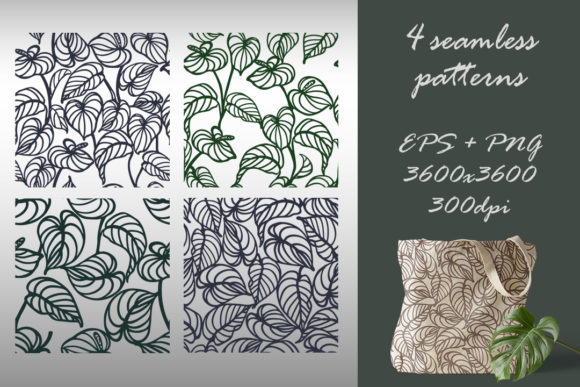
In a marketplace saturated with visual noise, the ability to communicate with clarity and consistency is a competitive advantage. For entrepreneurs, designers, and content creators, the visual language you choose speaks volumes before a single word is read. This is where Natural Seamless Patterns become more than just decorative elements—they become strategic assets. These patterns, delivered in both EPS10 vector format and PNG raster with a transparent background, offer a versatile foundation for projects ranging from wrapping paper to fabric design. Each pattern measures 3600x3600 pixels at 300dpi, ensuring professional-grade output across print and digital applications. But the real value lies not in the file specifications alone, but in how thoughtfully you integrate these patterns into your broader goals.
Why Natural Seamless Patterns Matter for Strategic Design
Patterns are among the most fundamental tools in visual communication. They provide rhythm, texture, and emotional tone without demanding attention away from your core message. A well-chosen natural pattern—rooted in organic motifs like florals, leaves, or botanical structures—can convey warmth, authenticity, and a connection to the natural world. For brands aiming to position themselves as sustainable, artisanal, or lifestyle-oriented, such patterns reinforce that positioning at every touchpoint.
From a planning perspective, starting with a pattern that is seamless and resolution-independent gives you flexibility. You are not locked into a single use case. The same EPS10 vector file can be scaled infinitely for a billboard or reduced for a business card icon. The PNG version with a transparent background allows for immediate layering in web mockups, social media graphics, or print prototypes. This duality reduces production friction and accelerates timelines—a practical advantage for small business owners and freelancers who juggle multiple roles.
Aligning Pattern Choice with Brand and Communication Goals
Every visual choice should serve a larger objective. Before downloading and applying a pattern, step back and ask: What outcome am I trying to achieve? If your goal is to increase product appeal for a gift wrap line, a floral seamless pattern can evoke celebration, growth, and care. If you are designing a greeting card for a nature-inspired brand, the same pattern can create a cohesive visual identity across a series of products.
Strategic use of Natural Seamless Patterns means considering the emotional resonance of your motif. For example, a tight, repeating floral pattern suggests abundance and energy, while a more sparse, open arrangement implies calm and minimalism. These nuances matter when you are positioning a product for a specific audience—busy professionals may prefer understated elegance, while hobbyists and DIY creators might gravitate toward vibrant, dense patterns. Understanding your audience’s emotional expectations allows you to select patterns that reinforce their perception of your brand.
Practical Example: Wrapping Paper as a Brand Touchpoint
Imagine you run a small online gift shop specializing in eco-friendly products. Your wrapping paper is not just packaging—it is an extension of your brand experience. By using a natural floral seamless pattern on your gift wrap, you communicate that your brand values organic beauty and thoughtful design. Customers who receive a gift wrapped in such paper are more likely to associate your brand with quality and intention. This repeated exposure builds long-term brand recognition and customer loyalty.
Beyond Decoration: Patterns in Operations and Customer Experience
Patterns are often viewed as purely decorative, but their influence extends into operations and customer experience. For instance, a consistent pattern used across product packaging, website backgrounds, and social media templates creates a unified brand system. This reduces decision fatigue for you as the creator—once the pattern is selected, it becomes a repeatable element that maintains consistency without requiring constant redesign.
For educators and bloggers, a natural pattern used as a watermark or background for digital resources can establish a recognizable visual signature. Over time, your audience begins to associate that pattern with your content, increasing trust and recall. Similarly, for small business owners producing physical products like mugs or fabrics, the readability and repeatability of a seamless pattern ensure that production runs are predictable and quality remains high. The 3600x3600 pixel resolution at 300dpi gives you confidence that the pattern will hold its detail even when printed at large scale.
When to Use Natural Seamless Patterns and When to Pause
Not every project benefits from a pattern. Overusing visual texture can clutter a design and dilute your message. The key is intentionality. Use patterns when you need to:
- Add depth to a flat layout without introducing competing imagery
- Create a cohesive theme across multiple products or pages
- Reinforce a natural, organic, or handcrafted brand identity
- Provide visual interest in support of a central focal point
- Save time on background design by leveraging a ready-made, scalable asset
Conversely, avoid patterns when your message requires stark minimalism, when the pattern might conflict with product photography, or when the repetition could become distracting in high-density information environments such as data-heavy reports or instructional materials. A pattern that works beautifully on a gift box may feel overwhelming in a spreadsheet or a technical diagram.
Risk of Using Patterns Without Clear Context
One of the most common mistakes is applying a pattern without considering its relationship to the overall design system. A floral pattern that feels natural and earthy may clash with a sleek, modern typography choice. The result is visual dissonance, which confuses the audience and weakens your brand message. Similarly, using a pattern at an inappropriate scale—too large or too small—can break the seamlessness and create awkward visual interruptions.
Another risk is assuming that a pattern alone will carry the design. Even the most beautiful Natural Seamless Patterns need to be supported by thoughtful composition, appropriate color palettes, and clear hierarchy. Treat the pattern as one tool in your toolkit, not as a shortcut to good design. Always test the pattern in its intended context—on screen, in print, or on a physical prototype—before committing to production.
Decision-Making Guidance for Pattern Selection
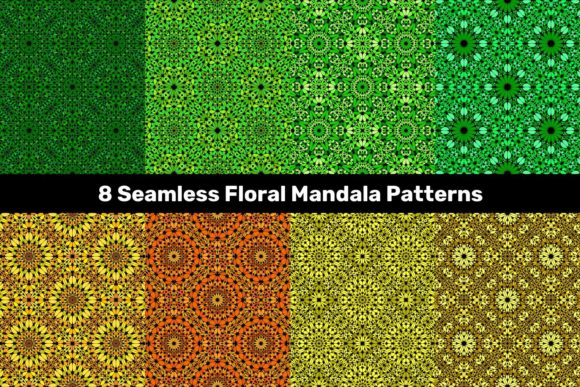
When you open the downloaded folder containing four seamless floral patterns in EPS10 and PNG formats, you face a choice. How do you decide which one to use? Start by defining your primary use case. If you are designing wrapping paper for a holiday collection, look for patterns with seasonal resonance—perhaps a pattern featuring blooms that evoke spring or autumn. If the goal is a year-round product like a mug or a greeting card, choose a pattern with more neutral botanical tones that won’t date quickly.
Consider the technical requirements as well. For digital use, the PNG with transparent background is ideal for layering in web design, email headers, or social media posts. For print production, the EPS10 vector format gives you full scalability and compatibility with professional design software. By understanding both formats, you can plan your workflow efficiently, using the vector for print and the PNG for rapid digital mockups.
Planning for Long-Term Use
A pattern set like this one is not a one-time asset. With proper planning, each pattern can become a recurring element in your brand library. Store the EPS10 files in a dedicated assets folder, name them descriptively, and note their color palette and mood. Over time, you will build a repository of patterns that you can mix and match for different campaigns, seasons, or product lines. This systematic approach saves time and ensures that your visual identity remains coherent even as you scale your operations.
For freelancers and small business owners, this long-term thinking is especially valuable. Instead of redesigning from scratch for each new project, you can draw on a consistent visual language that your audience already recognizes. The result is faster production cycles, lower creative fatigue, and a more professional end product.
Creativity and Productivity Benefits of Structured Pattern Use
One of the less obvious benefits of using ready-made seamless patterns is the boost to creative productivity. When you have a library of high-quality, tested patterns, you remove the friction of creating textures from scratch. This frees up cognitive energy for higher-level decisions—such as layout, typography, and messaging—that have a greater impact on your final outcome.
For bloggers and content creators, a pattern can serve as a consistent backdrop for featured images, reducing the time spent on each post. For small business owners designing product packaging, a pattern provides a starting point that can be customized with overlays, logos, and text. The 300dpi resolution ensures that even when you zoom in or scale down, the pattern remains crisp and professional.
Realistic Use Cases Across Audiences
Consider how different professionals might apply the same pattern set:
- Entrepreneurs use patterns for product packaging, hang tags, and booth backgrounds at trade shows.
- Marketers integrate patterns into landing pages, slide decks, and email templates to maintain brand consistency.
- Educators use patterns as visual aids in classroom materials or as backgrounds for instructional videos.
- Freelancers offer pattern-enhanced designs to clients in the gift, stationery, or home décor sectors.
- Hobbyists print patterns on fabric for sewing projects or use them in scrapbooking and digital art.
In each case, the pattern serves not as an afterthought but as a deliberate component of a larger plan. The same file that decorates a greeting card can also line a gift box or form the base of a textile print. This versatility is what gives Natural Seamless Patterns their strategic value—they are not just designs; they are multipliers of creative effort.
Final Strategic Observation
Thoughtful use of patterns begins with asking the right questions: What message do I want to send? Who is my audience? How will this pattern interact with other elements? When you answer these questions deliberately, you move from using patterns randomly to using them intentionally. The result is not just a more attractive product or page, but a more coherent and effective brand experience.
If you have questions about how to integrate these patterns into your specific workflow or project, do not hesitate to reach out. My name is Svetlana, and I am here to help you make the most of these assets. Whether you are launching a new product line or refreshing an existing brand, the right pattern can be the foundation of something enduring. Visit my store to explore the collection and see how natural seamless patterns can support your next project.