Christmas Gnomes Seamless Patterns: A Practical Asset for Holiday Design Workflows
When planning seasonal design projects, the difference between a cohesive collection and a scattered set of products often comes down to the underlying assets you use. Christmas Gnomes Seamless Patterns are one such asset—a ready-to-use set of repeating backgrounds that can streamline your creative process from concept to final output. Whether you are producing physical merchandise or digital content, these patterns offer a reliable foundation that saves time and maintains consistency across multiple applications.
This article walks through what these patterns are, how they fit into real-world workflows, and practical ways to integrate them into your own projects. The focus is on execution—how to get the most out of this resource without unnecessary complexity.
What the Collection Includes
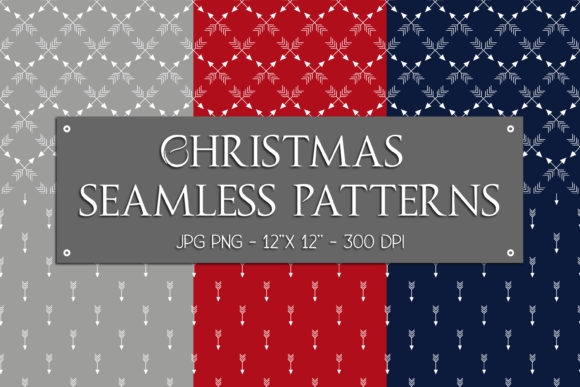
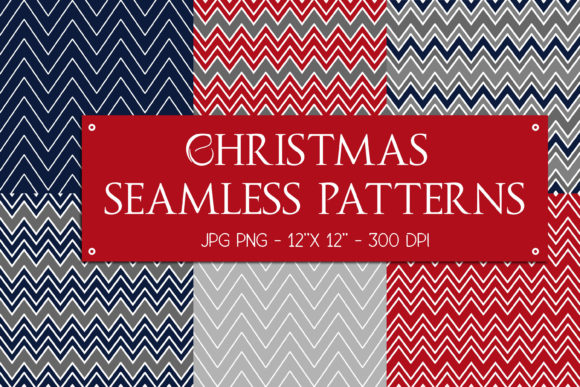
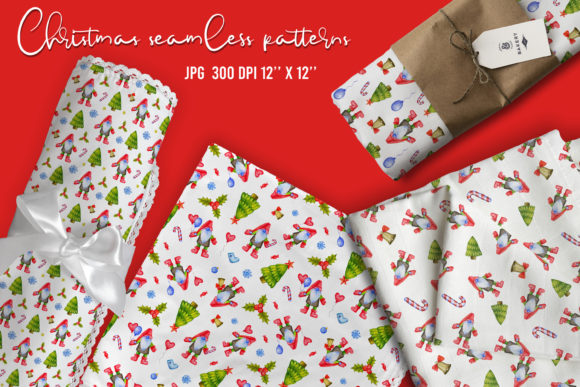
The set contains four JPEG files, each sized at 12 x 12 inches with 300 DPI resolution. This resolution is standard for print-quality work, meaning you can use the patterns for both screen-based projects and physical printing without losing clarity. The files are packaged in a single ZIP archive, so downloading and extracting them is straightforward.
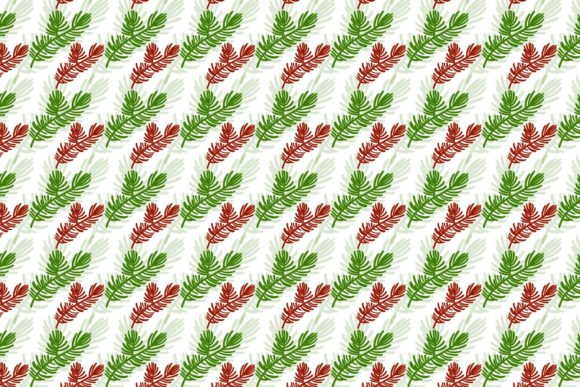
Each pattern features a seamless repeat, which eliminates visible seams or interruptions when tiling the design across a larger surface. This technical detail matters if you plan to cover a notebook cover, a length of fabric, or a digital background that needs to look continuous. The Christmas gnome theme adds a festive, playful element that appeals to a broad audience—children, adults, and everyone who enjoys seasonal decoration.
Where These Patterns Fit in a Creative Workflow
Design workflows typically move from concept to asset creation to production. Christmas Gnomes Seamless Patterns sit squarely in the asset creation stage. Instead of building a repeating pattern from scratch—which involves sketching, digitizing, aligning tiles, and testing repeatability—you start with a polished file that is ready to use. This shifts your focus from technical groundwork to compositional and commercial decisions.
Before a project begins, the patterns can serve as inspiration. Looking at the color palette, motif density, and overall mood helps you decide on complementary elements. For example, if the gnomes feature red and white tones, you might choose a simple text color or an accent pattern that contrasts without clashing. This early alignment prevents rework later.
During production, the patterns become building blocks. You can layer them behind text, use them as fill for vector shapes, or apply them as full backgrounds in templates. Because they are seamless, resizing and tiling them in software like Adobe Illustrator, Photoshop, Canva, or Affinity Designer requires only drag-and-drop. There is no need to manually align tiles or calculate repeat offsets.
After a product launch, the same patterns can be repurposed for related collateral. A pattern used on a Christmas card can also appear on a matching sticker sheet or a fabric sample for a tote bag. This consistency across touchpoints strengthens brand recognition and simplifies inventory decisions for small business owners.
Practical Use Cases Across Different Audiences
The value of these patterns extends to several types of users. Here is a breakdown of how each group might integrate them into their routine:
Graphic Designers and Freelancers
If you take on holiday projects for clients, having a set of ready-made backgrounds reduces turnaround time. You can drop a pattern into a greeting card layout, adjust the opacity, and add type. For flyers and social media graphics, the same pattern can be resized or cropped. Because the files are high resolution, they work in both print and digital formats without separate optimization steps.
Small Business Owners and Entrepreneurs
Selling seasonal merchandise requires speed. A pattern set like this lets you produce multiple product variations quickly. Mugs, bags, kitchen towels, and bedding can all use the same design motif scaled appropriately. You can upload the file to print-on-demand platforms, apply it to product mockups, and list items within hours rather than days.
Crafters and Hobbyists
If you create physical products such as scrapbooks, greeting cards, or home decor, seamless patterns simplify the cutting and assembly process. Print the pattern onto adhesive paper for stickers, or use it as wrapping paper for small gifts. The 12 x 12 inch size is compatible with standard paper cutting machines and trimmer tools.
Educators and Bloggers
Seasonal content benefits from visual consistency. A blogger writing about holiday decorating ideas can use the pattern as a background for collages or printable checklists. An educator preparing classroom materials can create festive worksheets, name tags, or reward charts without starting from scratch.
Integration with Other Tools and Platforms
To get the most from Christmas Gnomes Seamless Patterns, consider how they interact with the tools you already use:
- Design software – The JPEG format is universally supported. You can open it in Photoshop, Illustrator, InDesign, Canva, Procreate, CorelDRAW, or GIMP. No special plugins or converters are needed.
- Print-on-demand services – Platforms like Printful, Printify, Redbubble, and Society6 accept JPEG uploads. The 300 DPI resolution meets their print quality requirements. You simply upload the pattern, set the repeat area, and apply it to your chosen product.
- Digital product marketplaces – If you sell digital assets on Etsy, Creative Market, or Gumroad, these patterns can be used as standalone items or bundled with other holiday designs. The ZIP file structure is standard and easy to list.
- Template platforms – In Canva or Adobe Express, you can upload the pattern as a background element and save it as a reusable template. This speeds up future projects that need a consistent theme.
Implementation Tips for Smooth Execution
Practical execution depends on a few choices you make before you start placing patterns into your project files. Here are observations that help avoid common pitfalls:
Check Scaling Early
The patterns are 12 x 12 inches at 300 DPI. If your project is larger—for example, a bed sheet or a roll of wrapping paper—you need to scale the pattern up or repeat it. Scaling up too much can cause pixelation, so test the pattern at your target size before committing. For very large applications, consider repeating the pattern across a larger canvas in your design software rather than stretching a single tile.
Consider Color Variation
Because the patterns are provided as JPEG files, the color profile is likely sRGB. If you are printing on fabric or through a commercial printer that uses CMYK, preview the pattern in your software’s color mode conversion. Some reds and whites may shift slightly. Run a test print on a small sample before producing in bulk.
Ensure Seamless Tiling
Even though the patterns are designed to be seamless, preview the repeat in your layout program. Zoom to 100% and check for any visible lines or mismatches at the edges. Most design software has a “pattern preview” or “tile” mode that reveals the repeat. If you plan to use the pattern on a cylindrical surface like a mug, the repeat may appear differently than on a flat sheet. Adjust the placement so that the break falls in a less visible area.
Organize for Reuse
After downloading the ZIP file, extract the contents to a folder with a clear naming convention. If you build a library of seasonal assets over time, you will appreciate being able to locate these patterns quickly. Consider adding tags like “Christmas,” “gnome,” “seamless,” or “holiday” to your file metadata or your asset management system.
Quality Control and Long-Term Use
A well-made pattern set can serve you for many seasons. Here is how to maintain quality and extend the collection’s usefulness:
- Archive the original files – Keep the downloaded ZIP and extracted JPEGs in a separate backup location. Do not edit the originals. Instead, work with copies. This way, you always have a clean version to return to.
- Test on multiple substrates – If you print on fabric, paper, plastic, or metal, the same pattern can look different on each surface. Order a small batch of each product type before scaling production.
- Monitor for trend changes – Gnome motifs have enjoyed lasting popularity, but color preferences shift. The patterns in this set may work well for multiple seasons. Keep an eye on whether the color scheme aligns with current holiday trends. If needed, you can desaturate or tint the files in your design software to extend their relevance.
- Document your use cases – If you use the pattern on a specific product that sells well, note that in a simple spreadsheet. Over time, you will build a reference that tells you which pattern works best for mugs versus tote bags versus greeting cards. This data helps you make faster decisions in future seasons.
A Note on Community and Feedback
When you download this set, you are also entering a relationship with the creator. Subscribing to their updates lets you know when new patterns become available. Leaving feedback and suggestions helps them understand what formats, themes, or resolutions buyers find most useful. This kind of exchange benefits both sides—you get assets tailored to your workflow, and the creator improves their offerings based on real-world needs.
The patterns are made with care, and that care translates into reliable files. When you use them in your own projects, you are building on a foundation that has already been tested for repeatability, resolution, and visual appeal.
Bringing It All Together
Christmas Gnomes Seamless Patterns are not a standalone solution—they are a component that fits into a larger design and production ecosystem. Whether you are a seasoned designer, a small business owner managing multiple product lines, or a hobbyist preparing handmade gifts, these patterns reduce the friction of creating holiday-themed work from scratch. They let you spend more time on composition, color balance, and product selection, and less time on technical repetition.
The most effective way to use them is to treat them as modular blocks. Test them early, scale them intentionally, and reuse them across related projects. With four distinct files in a single download, you have enough variety to maintain interest without overwhelming your workflow. And because the format is standard JPEG, compatibility is rarely an issue.
If seasonal design is part of your routine, having a reliable set of seamless patterns is a practical investment. It saves time, ensures consistency, and gives you a professional starting point for everything from a single greeting card to a full product line.