Christmas Patterns Decoration: A Practical Guide for Holiday Design Projects
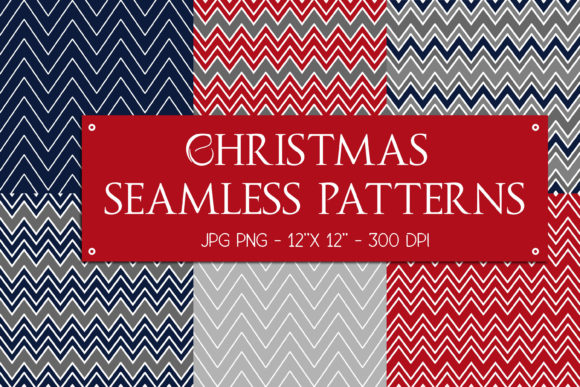
Christmas patterns decoration refers to the use of pre-made digital design files that contain festive motifs, repeating patterns, and decorative elements intended for holiday-themed projects. These assets typically come in a bundle of formats such as AI, EPS, SVG, JPG, and PNG, often delivered on a specific canvas size like 1920 by 1280 pixels. For anyone involved in creating holiday materials—whether for personal use, small business branding, or client work—understanding what these files offer and where they fit into a workflow is essential. This article evaluates the practical value of Christmas patterns decoration as a design resource, helping you decide whether such a product aligns with your specific needs and project constraints.
Understanding Christmas Patterns Decoration as a Design Resource
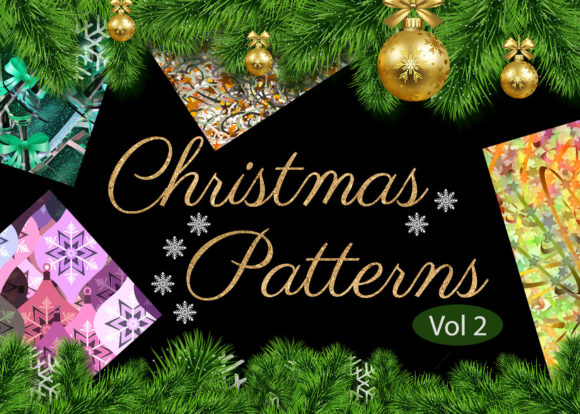
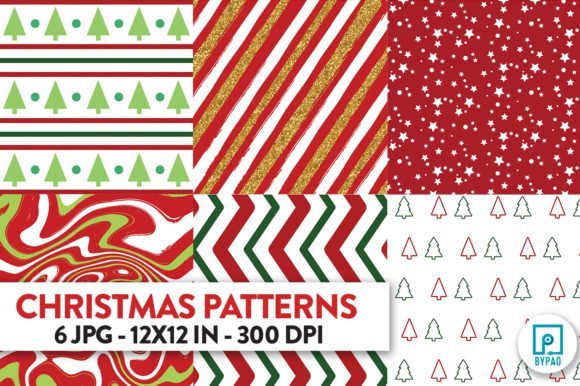
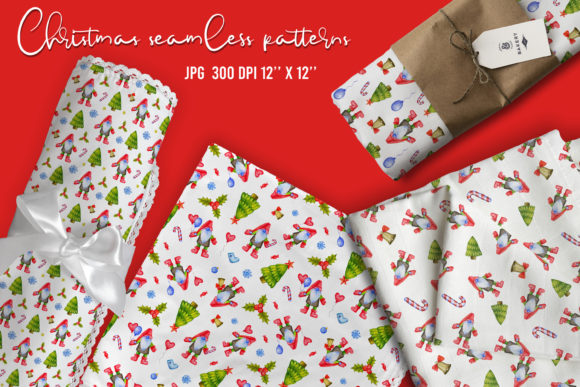
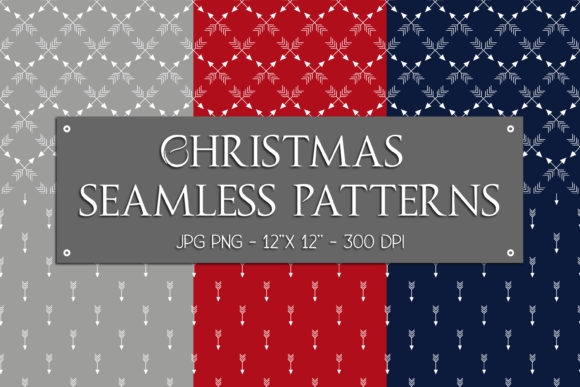
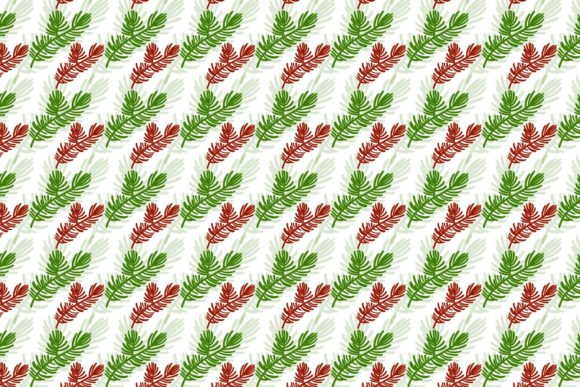
At its core, a Christmas patterns decoration bundle is a collection of digital files that share a common theme of holiday imagery. The patterns may include traditional symbols like snowflakes, evergreen wreaths, ornaments, stars, reindeer, or abstract geometric repeats in seasonal colors. The value lies not in any single element but in the versatility of having multiple file formats. AI and EPS are vector formats, which means they can be scaled infinitely without losing quality, making them suitable for large-format printing or signage. SVG is another vector format widely used in web design and digital cutting machines. JPG and PNG provide raster options for quick previews, social media graphics, or projects where vector editing is unnecessary. The specified canvas size of 1920 by 1280 pixels is a common aspect ratio for presentation slides, screen backgrounds, and some print layouts, though it is not a standard print size. This specificity matters if you are working within tight format constraints.
When evaluating Christmas patterns decoration, it is important to recognize that these are not fully composed designs but rather pattern fills or isolated decorative elements. You are purchasing the building blocks, not a final layout. That distinction shapes how useful the product will be for your particular project.
Why Designers and Creators Turn to Christmas Patterns Decoration
Interest in Christmas patterns decoration typically stems from a need to save time while maintaining a professional visual standard. The holiday season creates a predictable surge in demand for themed content: storefront window displays, email newsletters, product packaging, social media posts, greeting cards, and event invitations all need seasonal treatment. Designing original patterns from scratch for each of these applications is time-intensive, and not every creator has the skill set or software to produce high-quality vector repeats. Pre-made files offer a shortcut that does not necessarily compromise quality, especially when vector formats are included.
Another reason people seek out these assets is consistency. Using a single pattern set across multiple touchpoints creates a cohesive brand or event identity. For example, a small business running a holiday pop-up shop might use the same pattern on flyers, signage, and online ads. Having the pattern available in both print-ready (AI/EPS) and web-friendly (SVG/PNG) formats ensures the visual identity holds across media without requiring manual re-creation.
Cost is also a consideration. Commissioning a custom pattern from a graphic designer can cost significantly more than purchasing a digital bundle, especially for straightforward, non-exclusive patterns. For budget-conscious creators or hobbyists, a well-made set of Christmas patterns decoration files offers a professional look at a fraction of the cost.
Key Benefits of Using Digital Christmas Pattern Files
The most immediate benefit is the reduction in production time. Instead of conceptualizing, sketching, digitizing, and tiling a pattern, you can open a file and begin incorporating it into your layout. The vector formats, particularly AI and EPS, allow you to edit colors, scale elements, and combine patterns with other design components without degradation. This flexibility is especially valuable if you need to adapt a pattern to a specific color palette or branding guideline.
The inclusion of both SVG and PNG files expands the possible applications. SVG is widely used in web development because it remains sharp on high-resolution displays and can be styled with CSS. PNG files are useful for quick placements in software that does not support vector imports, such as basic photo editors or word processors. Having all five formats means you are unlikely to encounter a compatibility issue, regardless of the software you use.
The canvas size of 1920 by 1280 pixels is worth noting for screen-based projects. This resolution matches the dimensions of many monitors and presentation software defaults, so the pattern can be used as a background or overlay with minimal resizing. If your project is primarily digital, this specification reduces the need to crop or stretch the file.
Important Considerations and Tradeoffs
While Christmas patterns decoration offers clear advantages, there are tradeoffs that affect its suitability for different users. One of the most significant is the lack of exclusivity. Because the files are sold as a digital download, other customers purchase the same patterns. If your project requires a unique visual identity that cannot be found elsewhere, a pre-made pattern may not meet that standard. This is particularly relevant for businesses that want to differentiate themselves during the holiday season.
Another consideration is the level of editability. Although vector files like AI and EPS are technically editable, doing so requires software such as Adobe Illustrator or a compatible alternative. If you do not have access to vector editing tools, the SVG and PNG formats become your primary options, and your ability to modify colors, remove elements, or adjust scale is limited. In that case, you are essentially using the pattern as-is, which may or may not fit your layout perfectly.
The canvas size itself can be a limitation. 1920 by 1280 pixels is not a standard print dimension. For print projects, you will likely need to scale the pattern up, which is fine for vectors but may require careful handling for raster PNG or JPG files to avoid pixelation. If your primary use is print, you should verify that the pattern at its original size can be upscaled to your required dimensions without quality loss, particularly if you rely on the raster formats.
File organization is another practical point. A bundle of five files per pattern means you need to keep track of which format corresponds to which application. This is a minor administrative task, but it can slow down a workflow if you are managing multiple pattern sets simultaneously.
When Christmas Patterns Decoration Is a Strong Fit
Christmas patterns decoration works well in situations where speed and cost are prioritized over uniqueness. For individuals creating holiday cards for family and friends, the pattern serves as an attractive background or accent without the need for advanced design skills. Similarly, small business owners who need to produce a limited run of holiday-themed materials—such as a weekend market display or a single email campaign—benefit from the quick turnaround and low investment.
These files are also a strong choice for hobbyists who use cutting machines like Cricut or Silhouette. The SVG format is directly compatible with many of these devices, allowing users to cut patterned shapes from cardstock or vinyl for homemade ornaments, gift tags, or decorations. The combination of vector scalability and SVG compatibility makes the bundle practical for crafters who want to extend digital patterns into physical objects.
Designers working on mood boards or early-stage concept mockups can use Christmas patterns decoration as placeholder visuals. The patterns provide immediate holiday context without requiring the designer to pause and create original assets during the brainstorming phase. Later, if the project moves to production, the same vector files can be refined or replaced as needed.
When Alternatives May Be Worth Considering
If your project demands a wholly original visual identity, commissioning custom patterns or creating them yourself is a better route. Exclusive designs carry a higher cost and longer timeline but eliminate the risk of visual overlap with competitors or other creators. This is especially true for businesses whose holiday marketing is a major revenue driver and needs to stand out in a crowded marketplace.
Similarly, if your workflow relies entirely on raster-based software such as Photoshop or Procreate, and you do not plan to use vector formats, you may find that a JPG or PNG pattern alone offers limited flexibility. In that scenario, a dedicated raster pattern set with higher resolution and a wider range of color variations might serve you better than a multi-format vector bundle.
For large-format printing, such as banners or wall murals, a pattern designed specifically for print at scale is preferable. While vector files can be scaled, the pattern repeat itself may look too small or too repetitive when blown up. Some pattern bundles are designed with large-format applications in mind, offering more spacious repeats or seamless tiles that work at a distance. If your project falls into this category, check the pattern’s repeat size before purchasing.
Another alternative worth considering is a subscription-based asset library. Services that offer unlimited downloads of patterns, icons, and templates can be more cost-effective for users who produce holiday content year after year or across multiple clients. A single bundle gives you a limited set of patterns, whereas a subscription provides ongoing access to new designs, though at a recurring cost.
Practical Decision-Making Insights
To determine whether Christmas patterns decoration aligns with your goals, start by defining your output medium. If your final product is digital—social media graphics, website backgrounds, email headers, or presentation slides—the 1920 by 1280 pixel canvas and SVG/PNG formats are well suited. If your primary output is print, confirm that you can work with the vector formats to scale the pattern appropriately, and test a sample print at your desired dimensions before committing to a large run.
Next, assess your software environment. If you have access to vector editing tools like Adobe Illustrator, Inkscape, or Affinity Designer, you gain full control over color, scale, and composition. Without those tools, your experience will be more constrained, and you should evaluate the included JPG and PNG files at full size to see if they meet your quality expectations without modification.
Consider the volume and variety of patterns you need. A single bundle offers a specific number of unique patterns. If you need multiple distinct looks for different pieces of a campaign, verify that the bundle contains enough variety to avoid visual repetition. Some bundles offer coordinate patterns that work together, which can help maintain consistency while offering subtle variation.
Finally, think about reusability. Vector files can be stored and repurposed in future years, with simple color updates to align with new trends or branding changes. This long-term utility offsets the upfront cost if you plan to use the patterns beyond a single season. Raster files, however, are less adaptable and may look dated more quickly.
Determining Alignment with Your Needs
Christmas patterns decoration is a practical resource for anyone who needs holiday-themed visuals quickly, at a reasonable cost, and with professional-grade file formats. Its strongest value lies in the combination of vector scalability and format variety, enabling use across digital and physical applications. The tradeoffs are primarily around uniqueness and the need for vector editing software to fully leverage the files. If your project values speed, budget, and flexibility over exclusivity, this type of product is likely a good fit. If your priorities center on brand differentiation, custom composition, or large-format print fidelity, you may find better results with alternative approaches. By evaluating your output medium, software capabilities, and need for originality, you can make an informed decision that balances convenience with the specific demands of your holiday design work.