Wavy Brush Line Patterns: A Modern Twist on Minimalist Design
In the ever-evolving world of design, trends come and go, but some concepts stand the test of time. One such concept is the Wavy Brush Line Pattern—a design that blends the fluidity of brushwork with the precision of geometric forms. This unique style has gained traction among designers, artists, and creators looking for a balance between organic movement and structured simplicity. With its clean lines and dynamic curves, this pattern offers a fresh approach to visual storytelling, making it ideal for a wide range of applications from digital to physical mediums.
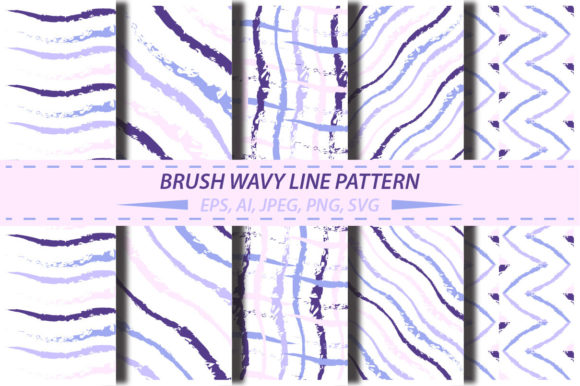
At its core, the Wavy Brush Line Pattern is defined by its use of flowing, undulating lines that mimic the natural strokes of a brush. These lines are often paired with minimalist geometric elements, creating a visual contrast that is both striking and harmonious. The result is a design language that feels modern yet timeless, perfect for those who appreciate elegance without excess.
Why Wavy Brush Line Patterns Matter in Today’s Design Landscape
The rise of Wavy Brush Line Patterns reflects broader shifts in how people engage with design. In an age where minimalism dominates, there is a growing desire for visuals that feel personal and expressive. While clean, flat designs remain popular, they are increasingly being complemented by elements that add depth and character. Wavy Brush Line Patterns fill this gap by introducing subtle motion and texture into otherwise simple compositions.
This trend aligns with current preferences for adaptable and versatile design solutions. As businesses and individuals seek ways to stand out in a crowded market, unique patterns like these offer a way to differentiate without overwhelming the viewer. Whether used in branding, print media, or digital interfaces, these patterns provide a cohesive yet distinctive aesthetic that can be tailored to various needs.
How the Pattern Has Evolved Over Time
While the concept of using brush-like lines in design is not new, the integration of geometric elements has transformed the way these patterns are created and applied. Traditionally, brushwork was associated with more chaotic or freeform styles, while geometric patterns were seen as rigid and structured. The fusion of the two represents a shift toward more nuanced and layered design approaches.
Advancements in digital tools have also played a role in the popularity of Wavy Brush Line Patterns. Software like Adobe Illustrator allows designers to create intricate, scalable designs with ease, making it possible to experiment with complex variations. This accessibility has led to a wider adoption of the pattern across different industries, from fashion to interior design.
Practical Applications for Wavy Brush Line Patterns
The versatility of Wavy Brush Line Patterns makes them suitable for a variety of uses. For instance, they are an excellent choice for wallpaper, offering a sophisticated yet inviting look that can transform any space. Their scalability ensures that they maintain quality whether printed on a small handkerchief or a large wall surface.
These patterns are also well-suited for product design. From book covers to clothing, they add a touch of refinement that can elevate the perceived value of a product. Tote bags, pillowcases, and even tank tops can benefit from the subtle interplay of curves and shapes, creating a cohesive brand identity or personal style.
For creators and entrepreneurs, the availability of high-quality files in multiple formats—such as JPEG, PNG, SVG, EPS, and AI—makes it easy to integrate these patterns into existing workflows. Whether you're working on a digital mockup or preparing for print, having access to professional-grade assets ensures consistency and efficiency.
Choosing the Right Design for Your Needs
With five distinct designs available, users can select the one that best matches their vision. Each variation offers a different interpretation of the wavy brush line theme, allowing for customization based on personal taste or project requirements. Some may prefer a more subdued approach, while others might opt for bolder, more dynamic expressions.
When selecting a design, consider the context in which it will be used. For example, a pattern with softer curves might be ideal for a calming environment, while one with sharper angles could work better for a modern, high-energy setting. Understanding the emotional impact of design choices can help ensure that the final outcome resonates with the intended audience.
Staying Updated with New Designs
Design trends are constantly evolving, and staying informed about new releases can give you a competitive edge. By following the creator of these Wavy Brush Line Patterns, you gain access to exclusive updates and future collections. This not only keeps your design library fresh but also ensures that you’re always ahead of the curve when it comes to creative inspiration.
Connecting with the designer through social media platforms is another way to stay engaged with the latest developments. These channels often feature behind-the-scenes insights, tips for using the patterns effectively, and opportunities to provide feedback. Building a relationship with the creator can enhance your overall experience and help you make the most of the available resources.
Conclusion: Embrace the Elegance of Wavy Brush Line Patterns
Wavy Brush Line Patterns represent a thoughtful intersection of artistry and functionality. Their ability to blend organic movement with structured geometry makes them a valuable addition to any designer’s toolkit. Whether you're looking to enhance your portfolio, create unique products, or simply explore new creative directions, these patterns offer a flexible and visually appealing solution.
As the demand for personalized and high-quality design continues to grow, embracing trends like Wavy Brush Line Patterns can help you meet the expectations of today’s discerning audiences. With the right tools and a clear understanding of how to apply them, you can unlock new possibilities for your projects and bring your creative vision to life.